
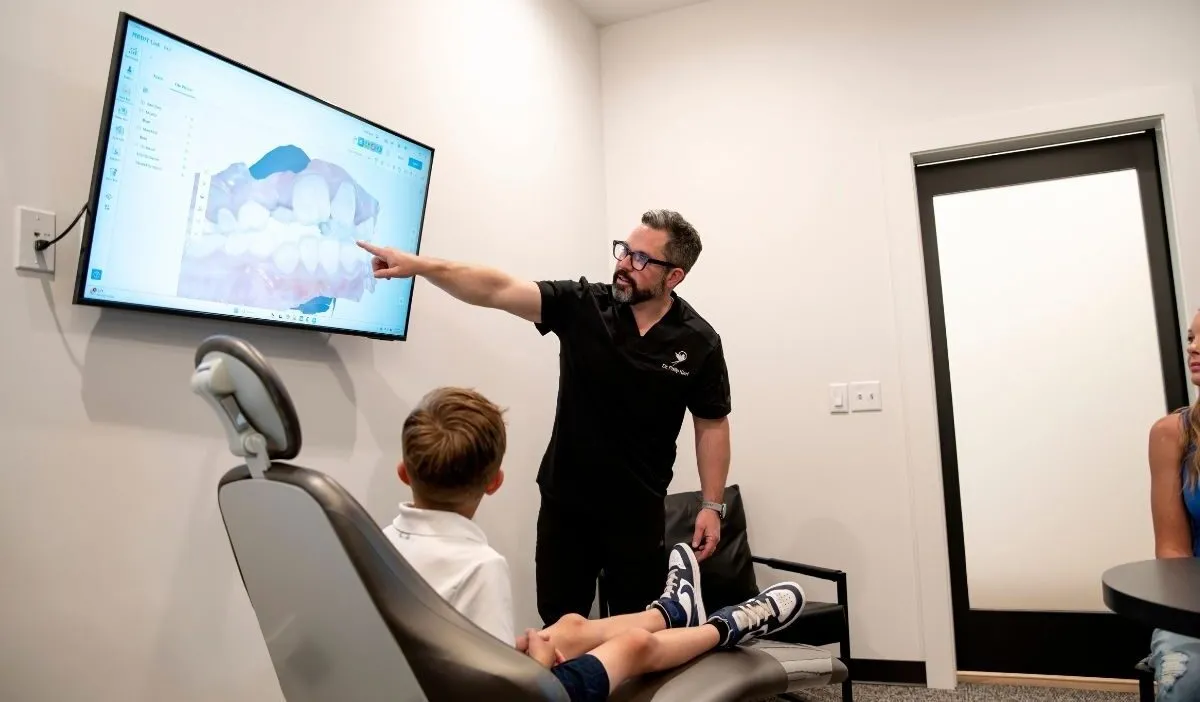
Choosing the right orthodontist in Oklahoma means finding a specialist who matches your treatment goals, communication style, and budget. The best way to evaluate an orthodontist is by asking specific questions about their training, technology, treatment options, and payment plans during your free consult. This guide walks you through the 10 questions that help you make a confident decision.
Why Choosing the Right Orthodontist Matters
Orthodontic treatment is a commitment that typically lasts 12 to 24 months according to the American Association of Orthodontists. That’s a year or two of regular visits, several thousand dollars, and the trust you place in a specialist to shape your smile. The provider you choose affects more than just your final results. They shape your comfort level at every appointment, how smoothly your treatment progresses, and whether you actually enjoy the process from start to finish.
Orthodontics is a dental specialty that requires advanced training focused entirely on tooth movement and bite correction. Your orthodontist’s expertise directly impacts bite function, long-term oral health, and the confidence that comes with a well-aligned smile. Taking time to ask the right questions upfront helps you find a provider who remembers your name, knows your goals, and follows up between visits. The relationship you build with your orthodontist and team should feel supportive and personal from your very first visit, and that’s exactly what board-certified orthodontists at Scissortail Orthodontics aim to deliver across Oklahoma.
How to Choose an Orthodontist: The 10 Key Questions
Walking into a free consult can feel overwhelming. These questions cut through the uncertainty and help you gather what you actually need. The 10 questions below cover four core areas: clinical credentials and experience, treatment options and technology, real-world results and convenience, and total cost with payment flexibility. Use them as a checklist during each free consult to compare practices side by side.
Question 1: Are You a Board-Certified Orthodontist?
Board certification through the American Board of Orthodontists (ABO) shows a focus on quality beyond basic licensing requirements. Not all orthodontists pursue this voluntary certification. Those who do have passed rigorous examinations and case reviews.
Question 2: How Many Years of Experience Do You Have?
Experience matters, especially for complex cases. Ask about their background with cases similar to yours. An orthodontist who has treated hundreds of patients with your specific concerns brings valuable insight to your treatment plan.
Question 3: What Treatment Options Do You Offer?
Modern orthodontics goes far beyond traditional metal braces. Ask about:
- Metal braces
- Clear braces
- Clear aligners
- Hybrid approaches combining multiple methods
- Appliances for jaw development or TMJ concerns
A practice offering multiple options can tailor treatment to your lifestyle and goals.
Question 4: What Technology Do You Use?
Technology shapes your treatment experience. Digital scanning replaces messy impressions. 3D imaging gives your orthodontist sharper views of tooth roots and jaw structure for planning. Ask specifically about the tools they use and how each piece of technology translates into a better experience for you.
Question 5: Do You Offer Remote Monitoring?
Remote monitoring through tools like DentalMonitoring lets your orthodontist track progress between office visits. That means fewer appointments while keeping close oversight of your treatment. It’s especially valuable for a parent driving three kids to practice, a college student home only on breaks, or anyone who would rather not block out a weekday morning every six weeks.
Question 6: Can I See Before-and-After Cases Similar to Mine?
Seeing real results builds confidence. Ask to view cases that match your situation, whether that’s crowding, spacing, bite issues, or a combination. This gives you realistic expectations for what treatment can achieve.
Question 9: What Does Your Treatment Timeline Look Like?
Ask for a clear estimate of how long treatment will take and what milestones to expect along the way. A good orthodontist explains the phases, when you’ll see noticeable changes, and what factors could shorten or extend your time in braces or aligners.
Question 10: How Do You Handle Emergencies and After-Hours Care?
Loose brackets, poking wires, and lost aligners happen. Ask how the practice handles urgent issues, whether they offer same-day or next-day visits for emergencies, and how to reach the team after hours. Quick response times reduce stress and keep your treatment on track.
Benefits of Asking the Right Questions Upfront
Asking detailed questions during your free consult protects you from surprises and helps you find the right fit.
How Does This Help You Avoid Unexpected Costs?
Understanding the full scope of treatment, including retainers and follow-up visits, prevents sticker shock later. A clear quote upfront means no awkward conversations months into treatment.
Will This Practice Match Your Lifestyle?
Some practices offer flexible scheduling, remote check-ins, or evening appointments. Asking upfront makes sure the practice works with your life rather than against it.
What Treatment Options Will Be Available to You?
Not every orthodontist offers the same treatments. Knowing what’s available helps you make informed decisions about which approach fits your goals.
How Quickly Can You Build Trust With the Team?
How a team answers your questions tells you a lot about how they’ll treat you throughout your smile journey. Open, honest communication from the start sets the tone for the months ahead.
Are Expectations Clearly Aligned From Day One?
Clear conversations about treatment length, appointment frequency, and your role in the process help everyone stay on the same page.
Orthodontist vs. General Dentist: Key Differences
Understanding the distinction between orthodontists and general dentists helps you make the right choice for your care.
| Criteria | Orthodontist | General Dentist |
|---|---|---|
| Training | Dental school plus 2-3 years of specialty residency | Dental school |
| Focus | Exclusively tooth alignment and bite correction | Broad range of dental services |
| Experience with Complex Cases | Extensive | Limited |
| Appliance Expertise | Deep knowledge of braces, aligners, expanders, and more | May offer basic aligner treatment |
| TMJ and Bite Issues | Specialized training | General awareness |
According to the American Association of Orthodontists (AAO), orthodontists complete an extra two to three years of specialized training after dental school. This focused education is devoted entirely to studying tooth movement, facial development, and bite mechanics.
A general dental provider may offer clear aligners, but they typically lack the specialty expertise needed for complex cases. If you have significant crowding, bite issues, or jaw concerns, an orthodontic specialist evaluation is essential. Choosing a specialist means working with someone whose entire focus is straight teeth, balanced bites, and stable long-term results.
Questions to Ask About Cost and Payment Options
Financial clarity removes stress from your decision. These questions help you understand the full picture.
Question 7: What Is the Total Cost and What’s Included?
Total treatment cost typically covers your appliances, all routine visits, and a set of retainers, but the exact bundle varies by practice. Ask for a detailed breakdown. Does the quoted price include:
- All appointments during treatment?
- Retainers after treatment?
- Emergency visits for broken brackets?
- Follow-up care?
Some practices bundle everything into one fee. Others charge separately for retainers or extra visits.
Question 8: Do You Offer Payment Plans or Financing?
Low monthly payment options make treatment accessible for more families. Ask about:
- In-house payment plans
- Third-party financing
- Down payment requirements
- Interest rates or fees
Many practices offer payment calculators on their websites so you can estimate monthly costs before your visit.
What Other Financial Questions Should I Ask?
Insurance: Does the practice accept your insurance? Will they file claims on your behalf?
Retainers: What happens if a retainer breaks or gets lost? Is replacement covered?
Relocation: If you need to move during treatment, what are the refund or transfer policies?
Getting these answers in writing prevents misunderstandings down the road.
Signs You’ve Found the Right Orthodontist
After visiting a few practices in Oklahoma, certain qualities stand out. A great team explains options without dental jargon, answers your questions thoroughly, and never rushes you out of the room. The office itself should feel welcoming the moment you walk in, because you’ll be returning every few weeks for the next year or two.
Look closely at how pricing is presented. Transparent practices show you the full cost breakdown without hidden fees or pressure tactics. Modern technology matters too, including digital tools, efficient processes, and options like remote monitoring that show a real commitment to patient experience.
Are Patient Reviews Consistent and Personal?
Patient testimonials and before-and-after results show consistent quality care. Look for practices where the doctors and team respond to reviews personally, not with copy-paste replies.
Does the Schedule Actually Work for You?
Location, office hours, and appointment availability should fit into your week rather than fight against it. When all of these elements come together, you’ve likely found a practice that treats every patient like family. Board-certified orthodontists at practices like Scissortail Orthodontics in Oklahoma make this kind of care the standard rather than the exception.
If you live in or near Edmond, you can bring these questions to a consultation at our Edmond orthodontist office.
Frequently Asked Questions
How Do I Know If an Orthodontist Is Board-Certified?
You can verify board certification through the American Board of Orthodontists website by searching by name or location. Board-certified orthodontists have voluntarily completed extra examinations beyond their licensing requirements, showing a higher level of expertise. AAO membership is another positive indicator of professional commitment.
Should I Get a Second Opinion Before Starting Treatment?
Yes, getting a second opinion is completely reasonable, especially for complex cases or if you feel uncertain about a recommended treatment plan. Most orthodontists welcome patients seeking clarity. Comparing recommendations helps you feel confident in your final decision.
What’s the Difference Between Clear Aligners From an Orthodontist vs. a Dentist?
Clear aligners from an orthodontist come with specialty oversight, while aligners from a general dentist may not. The aligners themselves may look similar, but the expertise behind the treatment differs significantly. Orthodontists have specialized training in tooth movement and can handle complications that other providers may not anticipate. For straightforward cases, both may work well. For anything complex, an orthodontist’s oversight provides added safety.
How Many Free Consults Should I Attend Before Choosing?
Two to three free consults typically give you enough information to compare approaches, personalities, and pricing. More than that can create decision paralysis. Focus on practices that answer your questions thoroughly and make you feel comfortable.
Is a Free Consult a Red Flag or Normal Practice?
Free consults are completely standard in orthodontics. They let you explore treatment options without financial pressure. A free consult shows the practice values building relationships over quick sales. It’s a chance to ask questions and see if the team is the right fit for your family.
What Questions Should I Ask About Treatment Length?
Ask for an estimated timeline and what factors might extend it. Compliance with rubber bands, avoiding broken brackets, and keeping appointments all affect how long treatment takes. Understanding your role helps you stay on track for the best possible results.
Finding the right orthodontist takes a bit of research, but the effort pays off throughout your treatment. When you’re ready to explore your options, our team welcomes you to schedule a free consult. We’re here to answer your questions and help you discover the difference personalized care makes.